







How to Plan Balanced Meals Without Stress: A Simple Guide
Planning balanced meals doesn’t have to be complicated or overwhelming. With a few practical strategies and a little preparation, you can enjoy nutritious and delicious meals every day — without the stress. Whether you’re cooking for yourself, your family, or a group, this guide will help you create well-rounded meals that support your health and fit your lifestyle.
What Is a Balanced Meal?
A balanced meal includes a variety of foods that provide the essential nutrients your body needs. Generally, this means incorporating:
– Proteins: such as lean meats, fish, beans, tofu, or eggs to help build and repair tissues.
– Carbohydrates: like whole grains, fruits, and vegetables for energy and fiber.
– Healthy fats: such as avocado, nuts, seeds, and olive oil that support brain function and cell health.
– Vitamins and minerals: found in fruits, vegetables, and dairy or dairy alternatives.
– Water: staying hydrated is key to overall health.
By combining these elements in each meal, you’ll fuel your body well and enjoy a variety of flavors and textures.
Why Planning Matters
Without planning, mealtime can become stressful — rushing to decide what to cook last minute often leads to unhealthy choices or repetitive meals. When you plan ahead, you:
– Save time during busy days
– Reduce food waste and save money
– Ensure variety and nutrition in your diet
– Feel more in control of what you eat
The best part? Planning doesn’t need to be complicated or time-consuming.
Steps to Plan Balanced Meals Without Stress
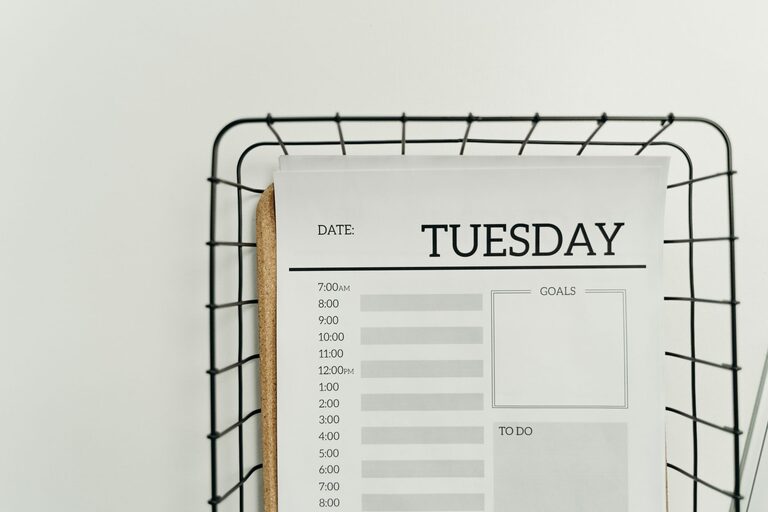
1. Start Small with a Weekly Plan
Begin by choosing 3 to 5 meals to prepare in a week. This manageable approach lets you:
– Build confidence in meal planning
– Avoid overwhelming yourself with too many options
– Create a shopping list that’s clear and focused
You can gradually increase the number of planned meals as you get more comfortable.
2. Focus on Simple Recipes
Look for recipes that use a few ingredients and easy methods, such as roasting, stir-frying, or one-pot meals. Simple dishes often require less prep and cook time but can still be nutritious and tasty.
3. Use the Plate Method as a Guide
The plate method is a helpful visual tool. Imagine your plate divided into sections:
– Half filled with vegetables or salad
– One-quarter filled with protein
– One-quarter with whole grains or starchy vegetables
This ratio ensures balanced portions and nutrient variety.
4. Plan for Leftovers
Cook larger portions when possible and save leftovers for lunches or dinners later in the week. This reduces the need to cook every day and provides quick meal options.
5. Mix and Match Ingredients
Choose versatile ingredients that can be used in multiple meals. For example:
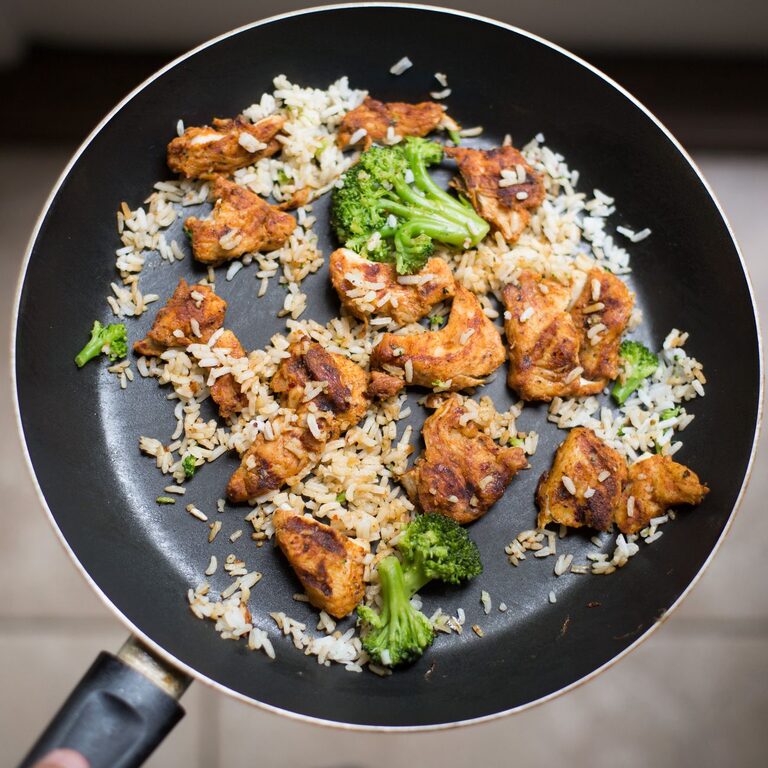
– Cook a batch of quinoa or brown rice to serve with different proteins and veggies throughout the week
– Prepare a big salad base and add different toppings each day
– Use canned beans for salads, soups, or side dishes
6. Build a Flexible Grocery List
Write down all the ingredients you’ll need for your planned meals, but leave a little wiggle room for seasonal produce or sales. Keep staples like spices, oils, and canned goods stocked to make last-minute meal creation easier.
7. Keep Healthy Snacks on Hand
Balanced meals are important, but healthy snacks also support your nutrition. Stock up on nuts, fresh fruit, yogurt, or cut vegetables to prevent impulsive, less nutritious choices between meals.
Tips for Stress-Free Meal Prep
– Set aside a specific time: Dedicate 30–60 minutes once or twice a week to chop vegetables, cook grains, or portion out snacks.
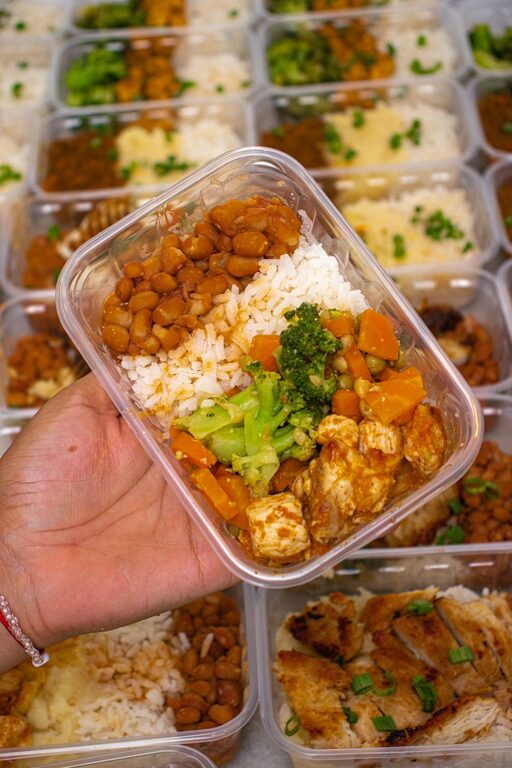
– Use storage containers: Organize prepped ingredients or meals in clear containers, so you can quickly see and grab what you need.
– Involve your family: Getting kids or others involved in simple prep tasks can make meal prep more enjoyable and reduce your workload.
– Be kind to yourself: Not every meal has to be perfect. Sometimes convenience foods or takeout contribute to balance without adding stress.
Sample Balanced Meal Ideas
– Grilled chicken with quinoa salad: Serve grilled chicken breast with a fresh quinoa salad loaded with cucumbers, cherry tomatoes, and parsley, drizzled with olive oil and lemon.
– Veggie stir-fry with tofu: Stir-fry colorful vegetables like bell peppers, broccoli, and snap peas with tofu in a light soy sauce, served over brown rice.
– Baked salmon with roasted sweet potatoes and steamed green beans: This meal offers healthy omega-3 fats, fiber, and vitamins.
– Bean and vegetable chili: A hearty mix of beans, tomatoes, and mixed vegetables served with a side of whole-grain bread.
– Whole wheat pita stuffed with hummus, grilled veggies, and a handful of spinach: A quick, flavorful vegetarian option.
Final Thoughts
Balanced meal planning doesn’t have to be stressful or complicated. With clear goals, simple tools, and a flexible mindset, you can nourish yourself and your loved ones without pressure. Start small, plan what feels manageable, and enjoy the variety and health that balanced meals bring to your life.
Remember, the key is progress, not perfection. Happy meal planning!