






Smart Ideas for Making Dinner Cleanup Easier and Faster
Making dinner is the highlight of many days, but the cleanup afterward can quickly turn it into a chore. Whether you cook daily or occasionally, cleaning up can sometimes feel overwhelming, especially after a busy day. Fortunately, there are several practical ideas to make dinner cleanup easier and faster, allowing you to enjoy your meal and spend less time scrubbing and tidying.
In this post, we’ll explore simple strategies and habits that can transform your kitchen routine. From preparation to after-dinner cleanup, these tips help keep your kitchen neat with minimal effort.
Plan Ahead: The Key to Less Mess
Use Mise en Place
The French term mise en place means “everything in its place.” Before cooking, prepare and measure all your ingredients in separate bowls. This organized approach prevents spills and allows for smoother cooking, reducing the chance of messes during the process.
Choose Recipes Wisely
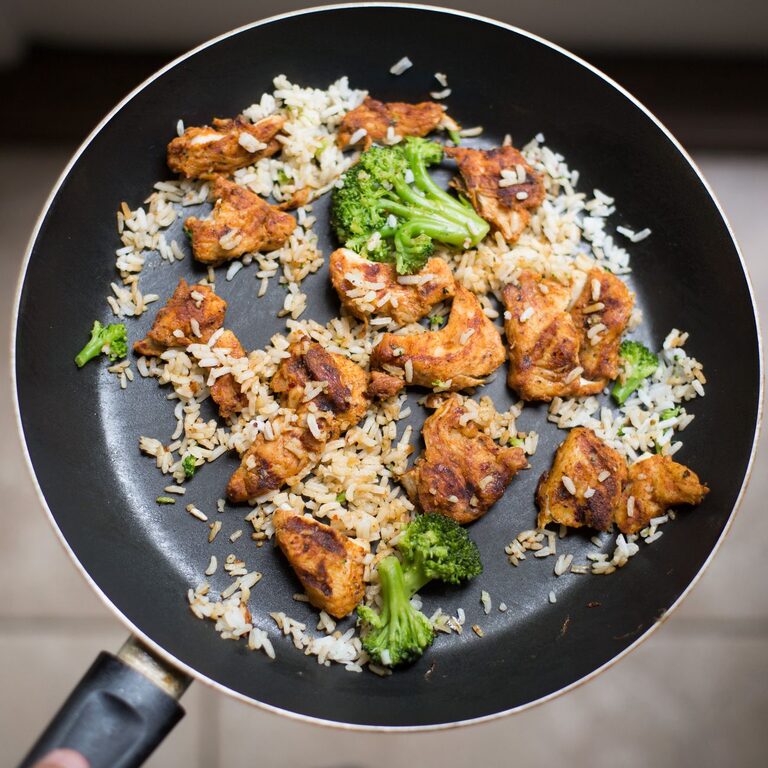
If you know you’ll want an easy cleanup, opt for one-pot meals, sheet pan dinners, or slow cooker recipes. These options minimize the number of dishes used and often require less preparation space.
Organize Your Workspace
Clean as You Go
A popular tip among professional chefs is cleaning as you go. Wash cutting boards, knives, and utensils during cooking downtime like while waiting for water to boil or food to simmer. Wiping counters regularly helps prevent buildup and makes the final cleanup lighter.
Keep Cleaning Tools Handy
Place a sponge, dish soap, and a trash bowl or compost container close by. This way, you can quickly wipe spills or discard scraps without interrupting your cooking flow.
Use Time-Saving Kitchen Tools
Invest in Dishwasher-Safe Cookware
Using pots, pans, and utensils that are dishwasher-safe can save significant time. After the meal, simply load them into the dishwasher instead of hand washing.
Try Silicone or Parchment Liners
Line baking sheets and pans with silicone mats or parchment paper. This prevents food from sticking and makes cleaning trays nearly effortless.
Manage Leftovers and Food Waste
Serve in Portions
Serving food directly onto plates rather than piling everything into bowls or serving dishes reduces additional containers to clean.
Save Leftovers Safely
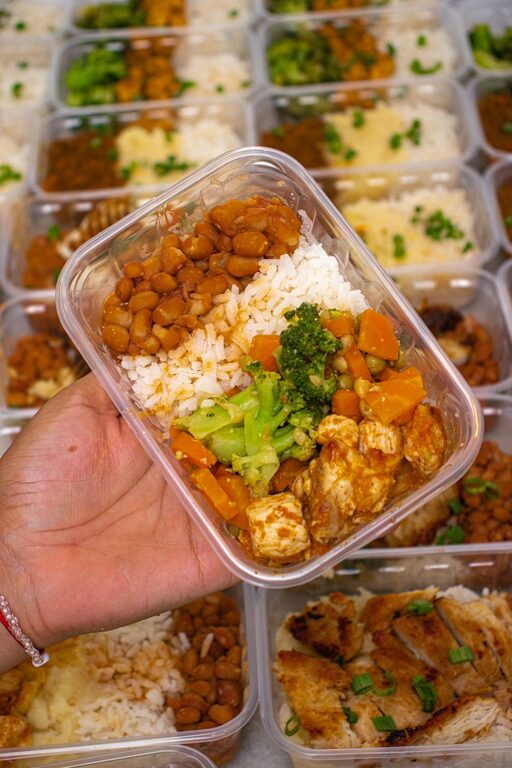
Transfer leftover food into reusable containers while still at the table. This prevents food from sitting in pots or dishes and speeds up kitchen tidying.
Streamline Final Cleanup
Soak Difficult Items Immediately
For burnt-on or sticky pans, fill them with warm soapy water and let them soak while you finish eating. This softens residue and makes scrubbing easier.
Load the Dishwasher Promptly
Don’t let dirty dishes pile up in the sink. Load plates, glasses, and utensils into the dishwasher soon after dinner to maintain an organized kitchen.
Wipe Down Surfaces Last
Once dishes are away, give your countertops, stove, and dining table a quick wipe. This last step ensures no crumbs or spills are left behind.
Create a Cleanup Routine That Works
Consistency helps make cleanup feel less daunting. Create a routine that fits your lifestyle – whether it’s cleaning immediately after dinner or dedicating 15 minutes before bed to tidy the kitchen.
Additional Tips for Families
If you have children, involve them in small tasks like clearing the table or sorting utensils. This not only teaches responsibility but speeds up cleanup time.
Use Color-Coded Cleaning Tools
Assign specific sponges or cloths for different kitchen tasks (e.g., countertops, dishes, appliances) to avoid cross-contamination and keep cleaning efficient.
Conclusion
Dinner cleanup doesn’t have to be a dreaded task. By planning ahead, keeping your workspace organized, using smart kitchen tools, and establishing practical routines, you can significantly reduce cleanup time and effort. Try integrating these ideas one at a time, and enjoy a cleaner kitchen and more relaxed evenings after mealtime. Happy cooking and cleaning!