


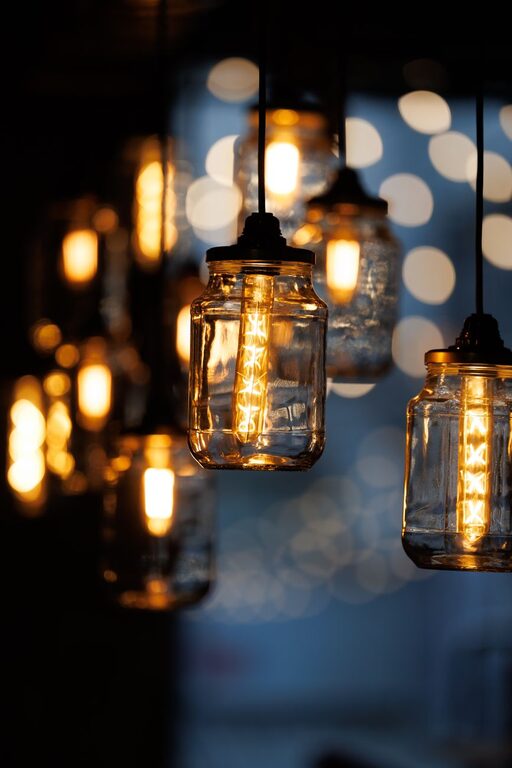







Tips for Choosing Comfortable Home Lighting That Enhances Your Space
Creating a comfortable home environment starts with the right lighting. Whether you’re reading, cooking, working, or relaxing, lighting plays a vital role in enhancing your mood and functionality. Choosing comfortable home lighting isn’t just about picking pretty fixtures; it’s about selecting the right types of light, placement, and brightness to suit your lifestyle and space. This guide will help you understand the essentials and provide practical tips to make your home lighting both cozy and effective.
Why Comfortable Lighting Matters
Lighting affects how we feel and function indoors. Harsh or dim lights can cause eye strain, headaches, or simply make a space feel uninviting. On the other hand, well-designed lighting can improve focus, relaxation, and overall well-being. Comfortable lighting balances brightness and warmth, reducing glare and shadows while enhancing the aesthetics of your home.
Understand Different Types of Lighting
Before diving into specific tips, it’s important to know the three basic layers of lighting:
1. Ambient Lighting
This is the general, overall illumination in a room. Examples include ceiling fixtures, chandeliers, or recessed lights. Ambient lighting should provide an even and sufficient level of light so occupants can move around safely.
2. Task Lighting
Task lighting focuses on specific areas where activities occur, like reading, cooking, or working. Desk lamps, under-cabinet kitchen lights, and vanity lights fall into this category. They provide brighter, direct light to reduce eye strain during detailed tasks.
3. Accent Lighting
Accent lighting highlights architectural features, artwork, or decorative elements. It adds depth and dimension to a room by creating contrast. Examples are track lights, wall sconces, and LED strips.
Tips for Choosing Comfortable Home Lighting
1. Consider Lighting Color Temperature
Look at the color temperature of the bulbs you select, measured in Kelvins (K). Lower temperatures (2700K–3000K) produce a warm, yellowish light that feels cozy and relaxing — perfect for living rooms and bedrooms. Higher temperatures (4000K–5000K) offer a cooler, whiter light, ideal for kitchens and workspaces where clarity is important.
2. Opt for Adjustable Lighting
Having multiple lighting options in a room allows you to adjust the brightness and mood according to different needs and times of day. Dimmer switches are a valuable addition, letting you soften lights in the evening or brighten them for tasks.
3. Use Multiple Light Sources
Avoid relying on one overhead fixture. Instead, layer your lighting by combining ambient, task, and accent lights. For instance, in a living room, use a ceiling light for general illumination, table lamps for reading areas, and spotlights to showcase art.
4. Choose the Right Bulbs
LED bulbs are a smart choice for comfortable lighting. They are energy-efficient, last longer, and come in various color temperatures. Look for bulbs with a high Color Rendering Index (CRI) of 80 or above to ensure colors appear natural and vibrant.
5. Reduce Glare and Shadows
Glare can cause discomfort and headaches, while harsh shadows can make a space feel unbalanced. Use lampshades, frosted bulbs, or indirect lighting to soften light sources. Position lights carefully to avoid shining directly into your eyes or reflecting off glossy surfaces.
6. Match Lighting to Room Function
Think about what activities you do in each room. Bedrooms benefit from warm, soft lighting that promotes relaxation. Kitchens require bright, cool light for cooking and cleaning. Home offices need clear, focused task lighting to support productivity.
7. Consider Natural Light
Maximize daylight by using window treatments that allow light in while reducing glare. Natural light enhances mood and helps regulate your sleep cycle. Complement natural light with artificial sources that blend seamlessly in the morning and evening.
8. Use Smart Lighting Solutions
Smart bulbs and lighting systems offer convenience and customization. Control brightness and color temperature with your phone or voice assistants, setting schedules that fit your lifestyle. This technology can help create comfortable lighting effortlessly.
Additional Tips for Lighting Comfort
– Use Reflective Surfaces Wisely: Mirrors and light-colored walls can enhance brightness without adding light fixtures.
– Choose Fixtures That Diffuse Light: Lamps with fabric shades or frosted glass soften the light for a more soothing atmosphere.
– Maintain Your Fixtures: Clean your light fixtures regularly to ensure maximum brightness and reduce dust buildup.
– Think About Fixture Placement: Ceiling lights centered in the room provide even ambient light, while side lighting creates warmth and depth.
Final Thoughts
Choosing comfortable home lighting is more than just aesthetics—it’s about creating a welcoming environment that suits your daily routines and preferences. By blending the right colors, layers, and fixtures, you can transform your home into a space that feels both beautiful and relaxing. Take your time experimenting with different lighting options and pay attention to how each change affects your comfort and mood.
With these tips, you’re well on your way to enjoying home lighting that truly feels just right.